
The best replacement windows for Indiana winters: what actually matters.
A plain-English guide to U-factor, SHGC, Low-E glass, frame materials, and installation for Indianapolis-area homes.
The best windows for Indiana winters are not defined by pane count alone. Look for a product with a low NFRC-rated U-factor, a sensible solar heat gain coefficient for the room, insulated framing, and an installation that seals the opening correctly. The right balance improves comfort without turning “energy efficient” into an empty sales label.
Indianapolis homes experience cold winter nights, strong temperature swings, humid summers, and direct sun from different directions. That makes the window label more useful than a generic “premium” tier. ENERGY STAR explains climate-zone performance, while the NFRC label gives you comparable numbers.
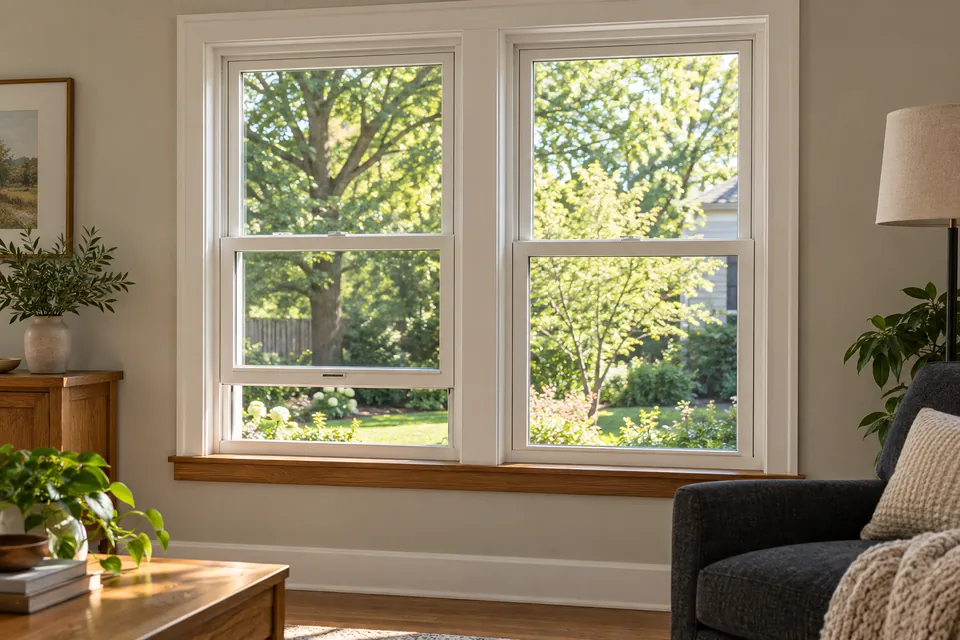
Start with U-factor: the insulation number
U-factor measures the rate of heat transfer through the window assembly. Lower is better for insulation. Ask for the exact value for the size and configuration being quoted, and compare it with the current window rather than choosing a number in isolation.
SHGC controls solar heat through the glass
Solar Heat Gain Coefficient describes how much solar energy passes through the glazing. Lower SHGC blocks more solar heat; higher SHGC allows more in. In Indiana, orientation and shading matter.
| Window position | What to think about | Useful question |
|---|---|---|
| North-facing | Usually less direct sun; insulation and air leakage may matter more | What U-factor and air-leakage rating does this unit have? |
| South-facing | Winter sun can help, while summer shading changes the balance | Would a different SHGC make sense with our shading? |
| East or west-facing | Low-angle sun can create glare and overheating | How will the glass handle direct afternoon sun? |
ENERGY STARs buying guidance recommends considering orientation rather than using one identical specification for every wall. That is a reason to discuss the home, not a reason to oversell a single “best” number.
Low-E glass, gas fill, and pane count
Low-E is a thin coating that changes how infrared heat moves through the glass. Gas fill such as argon can reduce heat transfer between panes. Double-pane units are common; triple-pane units add another insulating layer and may improve comfort and sound control, but they also add weight and cost.
Triple-pane is most useful when the performance upgrade solves a real problem: a cold bedroom, a large exposed opening, a noisy street, or a long-term comfort priority. Compare the actual U-factor, SHGC, visible transmittance, and condensation-resistance values on the NFRC label rather than paying for “triple” as a status word.
Frame material changes the experience
Vinyl frames are often chosen for low maintenance and value. Fiberglass can offer a rigid frame with a different finish and thermal profile. Wood brings a traditional appearance but needs more finish maintenance. Composite options vary by manufacturer. None is automatically best for every Indianapolis house.
- Maintenance: Ask what needs painting, cleaning, or periodic inspection.
- Opening: Large or unusual openings may have different structural and weight considerations.
- Room: A bathroom, bedroom, kitchen, historic façade, and living room may have different privacy, ventilation, and appearance needs.
Installation quality is part of energy performance
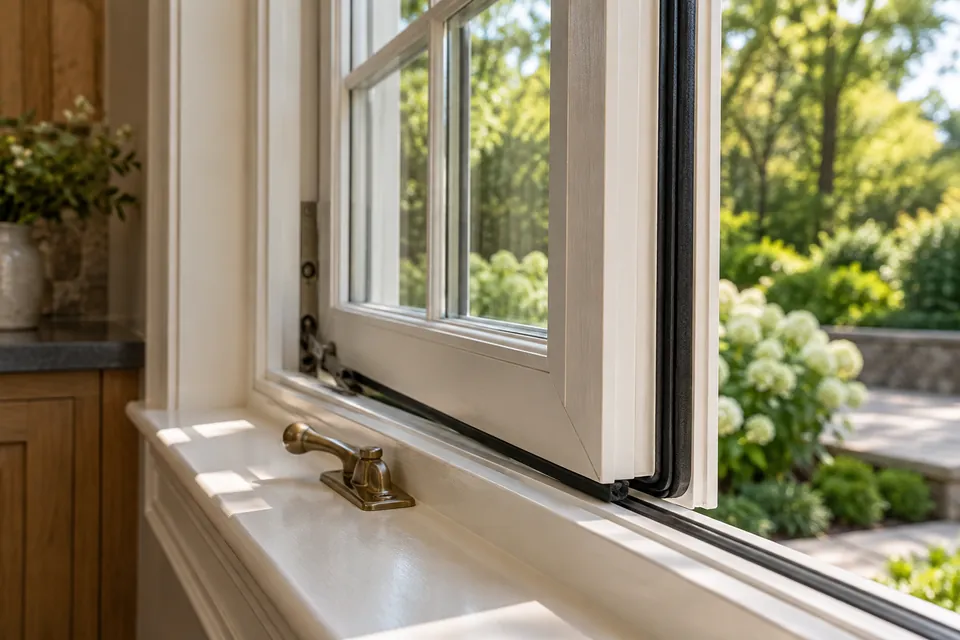
A high-performing window can still feel drafty if the existing opening is out of square, the sill is damaged, the flashing is incomplete, or the perimeter is not sealed correctly. Ask whether the quote covers removal, opening inspection, shimming, insulation, exterior water management, interior trim, and cleanup.
The U.S. Department of Energy notes that window efficiency depends on more than one feature and that installation affects the result.
How to compare energy-efficient window quotes
- Write down the opening list and room orientation.
- Request the exact manufacturer, series, size, and configuration.
- Record U-factor, SHGC, air leakage, visible transmittance, and condensation resistance where available.
- Compare frame material, glass, grilles, color, screens, and hardware.
- Confirm replacement method, repair allowances, trim, disposal, and warranty terms.
- Ask what happens if the opening is damaged once the old unit is removed.
Our energy-efficient windows overview and guides to U-factor and SHGC go deeper on the label. For a project-specific recommendation, bring photos and the rooms you want to improve to the estimate.
Bottom line for Indiana homeowners
For winter comfort, begin with a low U-factor, sound air sealing, and a product appropriate for the room and climate zone. Then decide whether triple-pane glass, a particular frame, or a higher-end finish earns its added cost. Performance numbers and installation details are more useful than a broad promise of savings.
Before choosing a window package.
Build a better window plan.
 Windows
Energy-efficient windows
Energy efficiencyUnderstanding U-factor
Energy efficiencyUnderstanding SHGC
Energy efficiencyDouble-pane vs. triple-pane
Service and design images are illustrative; they do not represent documented local projects.
Make your windows work harder.
Get a no-obligation conversation about the right performance package for your home.