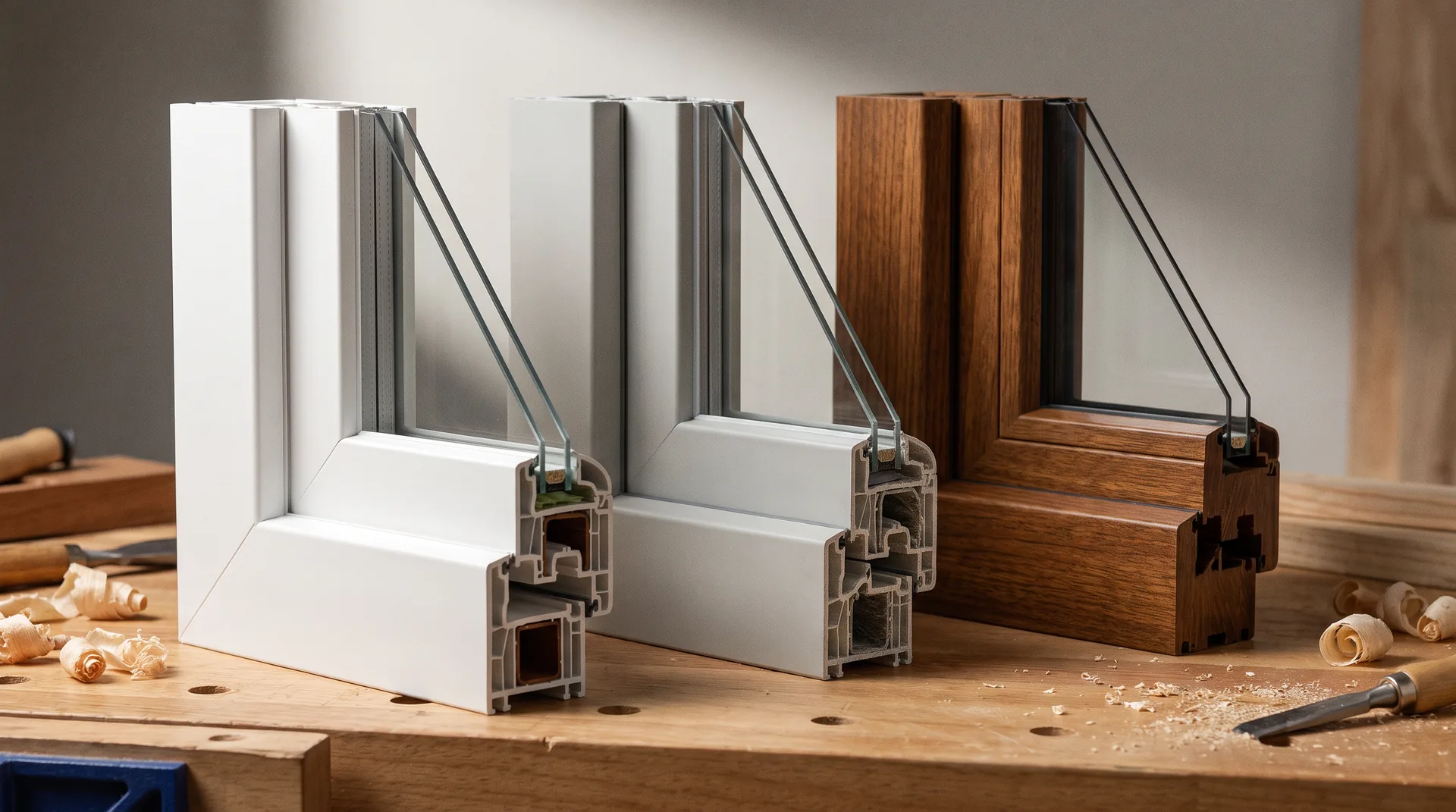
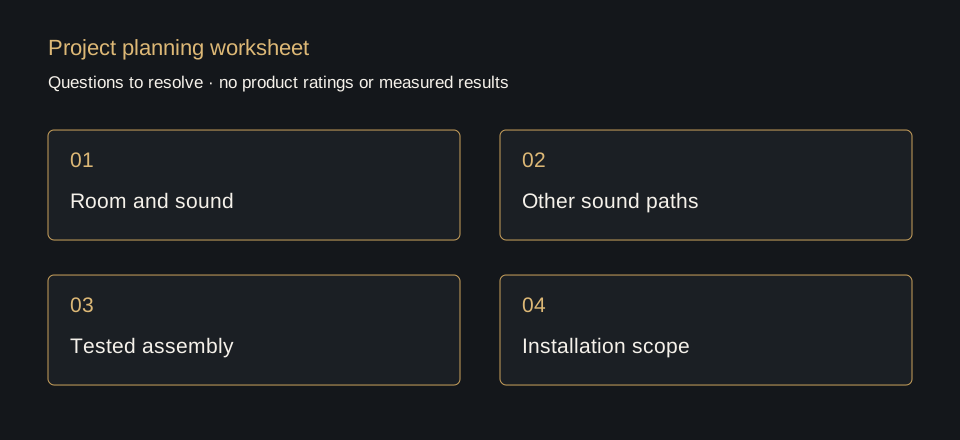
For windows intended to reduce outside noise, start with the room and the sound rather than the number of panes. Ask a local installer for tested acoustic information for the exact assembly in the quote. Keep the expected benefit specific; “soundproof” is not a useful promise for every Indianapolis home.
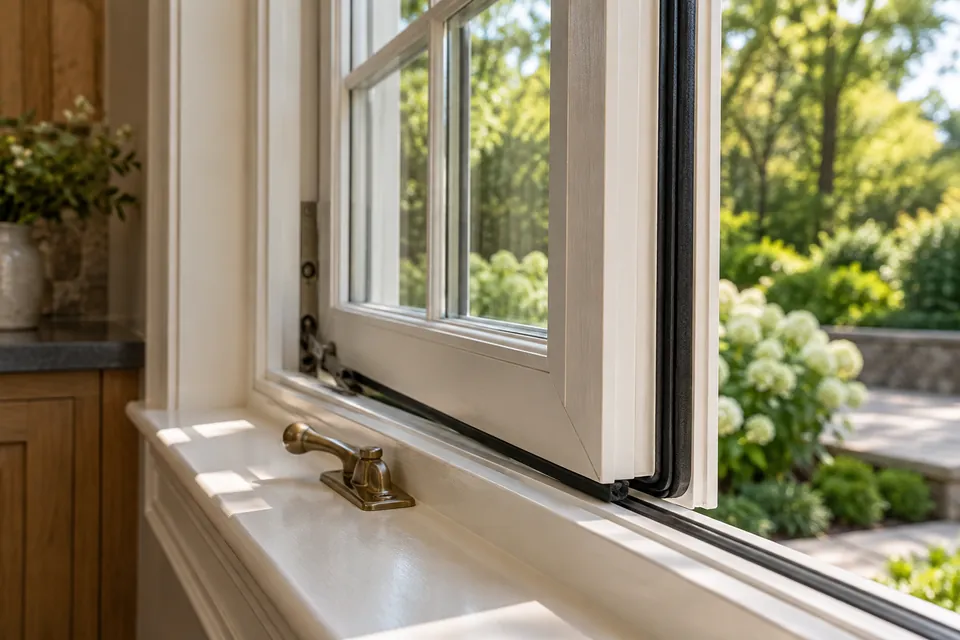
What are STC and OITC?
Pella's sound-resistance explanation discusses Sound Transmission Class, or STC, and Outdoor/Indoor Transmission Class, or OITC, and explains that window choices can reduce sound rather than eliminate it. Ask which measure is relevant to the sound you want to address and request the supporting test information.
For exterior transportation noise, ask specifically about OITC as well as STC. The Vancouver Airport Authority's acoustic-rating guide explains why lower-frequency transportation sound calls for a different assessment from speech-oriented ratings. That guidance is about acoustic measurement; it does not describe noise levels at your Indianapolis address.
Make a room-by-room noise record
| Record | A useful entry |
|---|---|
| Room and opening | Front bedroom, left window |
| Sound type | Passing traffic, voices, or an intermittent mechanical sound |
| When it matters | For example, the period when you try to sleep or work |
| Current condition | Whether the window closes and locks; visible gaps or damage |
| Goal | The specific activity you want to make more comfortable |
The sample entries are prompts, not measurements. If you use a phone recording, treat it as a way to show the sound and timing, not as a calibrated acoustic test. Do not attach a promised decibel improvement to an informal recording.
Check what else needs inspection
Ask the installer to assess the window's operation, its perimeter, and other possible sound paths in the room. A nearby exterior door, vent, or wall connection may deserve attention too. Document what they propose to address and what remains outside the window-replacement scope.
If the sash does not close properly, first discuss repair. Our repair vs. replacement guide helps frame that conversation. You can also use the door repair guide when a poorly closing exterior door is part of the concern. The assessment should determine the next step; this guide cannot identify the sound path remotely.
Compare the tested assembly, not a pane-count slogan
Ask for the manufacturer, series, operating style, glass construction, tested size, and test reference that support the acoustic rating. Confirm how those details relate to the unit you will receive. Pella's technical performance introduction presents acoustic ratings as product-specific data with controlled test sizes. Use that approach when questioning any brand.
If one quote proposes laminated glass and another proposes triple-pane glass, ask for the relevant tested ratings before ranking them. Do not assume that the package with more panes has the better answer for the sound bothering you. Likewise, an energy rating does not substitute for acoustic data.
These manufacturer references do not establish which brands a matched professional supplies. Ask that professional for the documents corresponding to their own proposal.
Keep comfort, operation, and installation in the decision
Write down the energy performance, daylight goals, operating style, and installation scope alongside the acoustic information. Ask whether the proposed product changes how you open, clean, or use the window. Discuss room-use and safety requirements with the installer before accepting a change in operating type.
Our NFRC label worksheet addresses energy specifications. Keep that worksheet separate from the acoustic comparison so a strong energy figure does not hide a missing sound rating.
What should a noise-focused quote say?
- The specific room and opening the work will address.
- The exact proposed product and its supporting acoustic information.
- What sealing, frame, and finish work is included in the installation.
- The limitations the contractor has identified and the basis for any performance claim.
For example, if your priority is a front bedroom, ask for an option focused on those openings as well as any wider proposal. That allows you to compare the scope against the problem you described. It does not establish that a partial project will meet your goal.
Bring the noise record to an estimate conversation
Tell the professional which room, sound, and time period matter most. Ask what additional assessment is needed before choosing a product. Read our window replacement guide, then request a local estimate if replacement is an option you want to explore. Indy Windows & Doors does not perform acoustic testing or guarantee noise reduction.
Save the planning worksheet
Record: room; sound type; timing; activity affected; closing/locking condition; other paths to inspect; proposed assembly; tested style/size; STC; OITC; test reference; installation/sealing; energy ratings; operation changes; limitations. Phone recordings are not calibrated tests.
Sources and editorial note
- sound-resistance explanation
- Vancouver Airport Authority's acoustic-rating guide
- technical performance introduction
Prepared by Indy Windows & Doors using the references above. This is an editorial planning guide, not a report of an installation we performed. Product documents, contractor advice, and property-specific requirements determine the final decision.