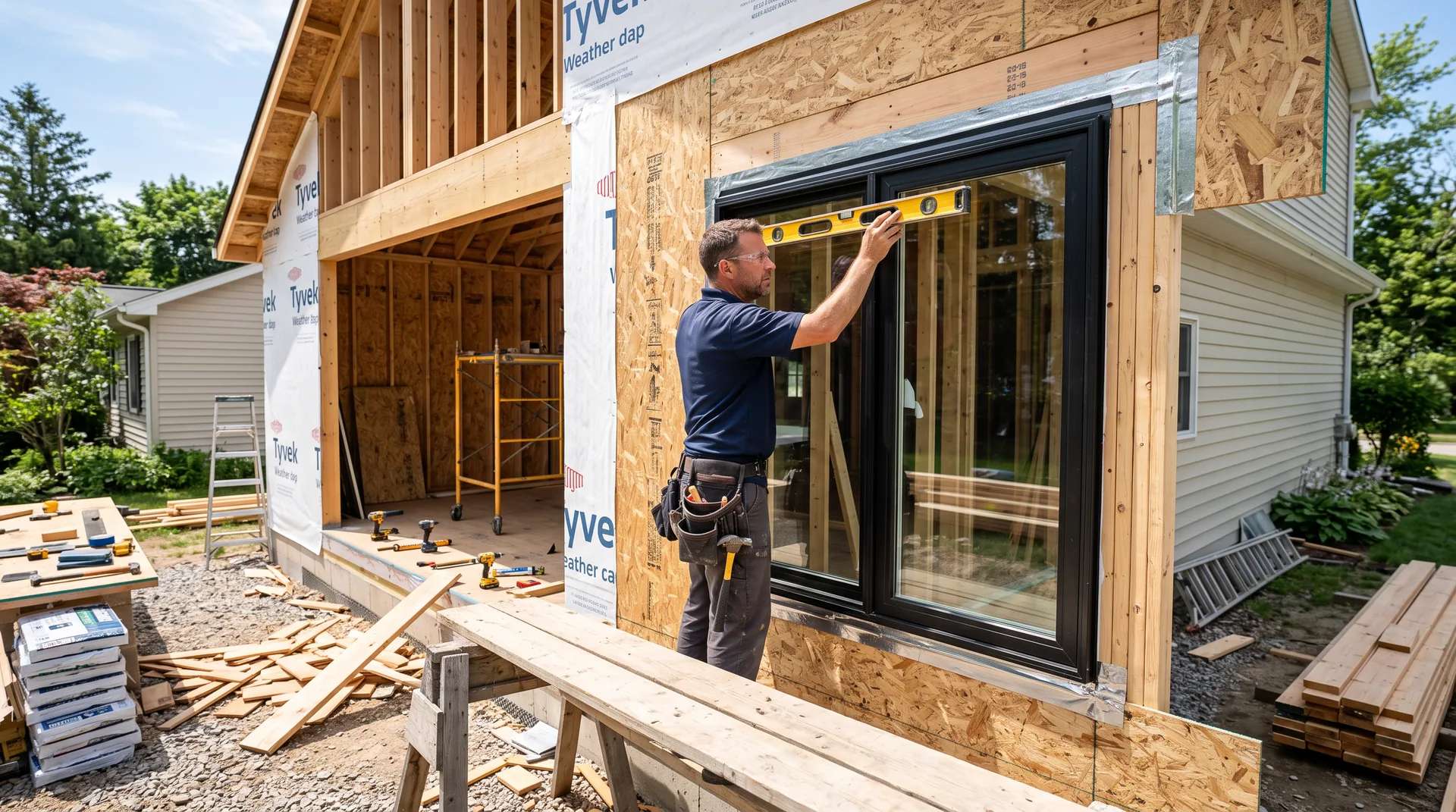
How to choose a window company in Indianapolis without comparing apples to oranges.
Use this 12-question checklist to compare scope, products, installation, warranties, and communication before you sign.
The right Indianapolis window company should make the project easier to understand before asking you to buy. Look for a complete scope, measurable product information, a clear installation method, realistic warranty terms, and a process for handling surprises in an older or damaged opening.
“Best” is not useful without context. A company that fits a whole-home replacement may not fit one custom historic opening, and a low quote may omit the frame repair or finish work your house needs.
12 questions that reveal the real scope
- Which openings are included? List rooms, sizes, configurations, and exclusions.
- What replacement method is proposed? Ask whether it is insert/pocket or full-frame and why.
- What exact product is quoted? Request manufacturer, series, material, glass, color, grilles, screens, and hardware.
- What are the NFRC ratings? Ask for U-factor, SHGC, air leakage, and available label values.
- What happens if hidden damage is found? Get the repair process and approval threshold in writing.
- Is finish work included? Clarify casing, sill extensions, drywall, brickmould, siding, caulk, paint, and touch-up.
- Who handles disposal and cleanup? Packaging, glass, and jobsite protection should not be assumptions.
- How is the opening protected from water? Ask about sill, flashing, perimeter seal, and exterior transition.
- Who performs installation? Ask whether the work is done by employees or subcontractors.
- What does the warranty cover? Separate product, labor, glass, and exclusions.
- What is the payment schedule? Clarify deposit, final payment, cancellation, and change orders.
- How will communication work? Identify contacts for measuring, scheduling, warranty, and follow-up.
Compare scope before price
Put proposals into the same order so differences are visible. A quote that is $2,000 lower may use a different glass package, leave out trim, or assume the existing frame is perfect. That is not automatically wrong; it is a different scope.
| Quote line | What to verify | Why it matters |
|---|---|---|
| Product | Series, size, material, glass, color, grilles, hardware | A generic product name does not compare performance or appearance |
| Installation | Removal, prep, flashing, insulation, sealing, trim | The opening and the product have to work as one system |
| Protection | Floors, furniture, landscaping, dust and glass cleanup | Good planning protects the home and reduces finish surprises |
| Warranty | Coverage, registration, exclusions, service contact | The manufacturer and installer may cover different parts |
What a serious measurement visit should look like
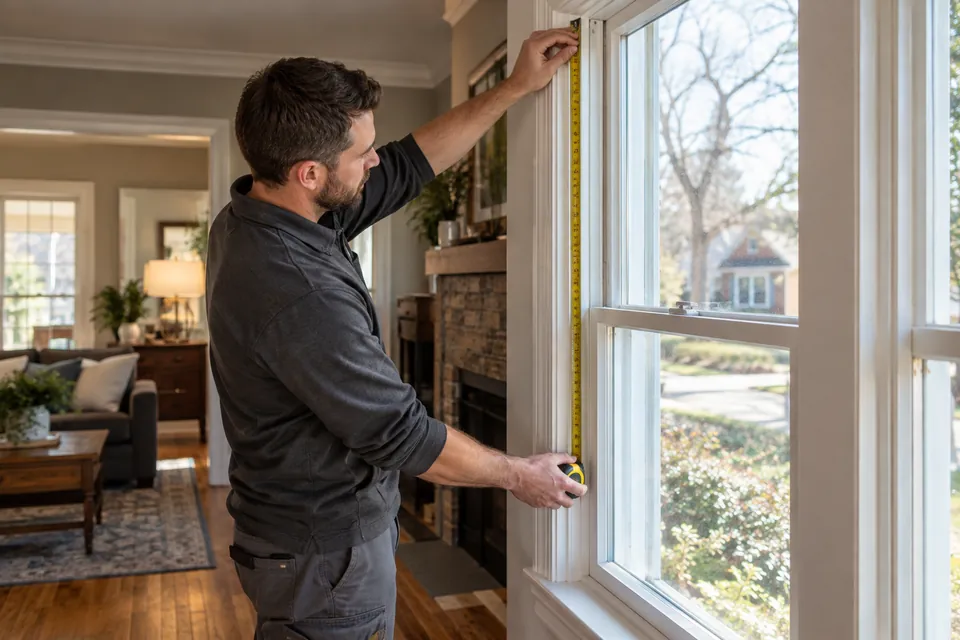
Measurements are not just a width-and-height check. The installer should look at square, depth, sill condition, trim, water staining, operating clearances, and access. Older Indianapolis homes may have settled frames, non-standard sizes, storm windows, or previous repairs that change the recommendation.
Ask what happens after measurements. Will you receive a product schedule? Does the company confirm handing, swing direction, hinge locations, lock preparation, or window operation? A small ordering error can create a long delay.
Trust signals without the sales noise
Reviews can help you spot patterns in communication, cleanup, and follow-through, but a review count does not tell you whether the installation method matches your home. Look for a consistent business identity, reachable contact information, clear terms, manufacturer documentation, and a willingness to answer questions about exclusions.
Do not accept unsupported claims about savings, lifetime performance, or “maintenance free” products. Ask for the exact specification or warranty language. For energy-efficient windows, ENERGY STAR and NFRC guidance is more useful than a ranking claim.
Red flags in a replacement quote
- A single price with no opening list or product specifications.
- Pressure to sign before comparing scope.
- Promises of guaranteed savings without assumptions or a source.
- Unclear answers about who installs the product or handles warranty service.
- Language that leaves removal, trim, repair, or cleanup “to be determined.”
Make the estimate visit useful
Photograph each opening, note drafts or fogged glass, and list which windows stick or doors fail to latch. Bring any previous quote, manufacturer label, HOA or historic-district question, and preferred timing. Use our questions before hiring and quote comparison guide as a checklist.
Bottom line
Choose the company that can explain what will happen to each opening, what is included, how performance is documented, and who will help if the house reveals a surprise. Clear scope and honest communication are stronger buying signals than a vague “best price” promise.
What homeowners ask before hiring.
Compare with confidence.
Buying guideQuestions before hiring
Cost & PlanningHow to read quotes
 About
About Indy Windows & Doors
ContactStart a conversation
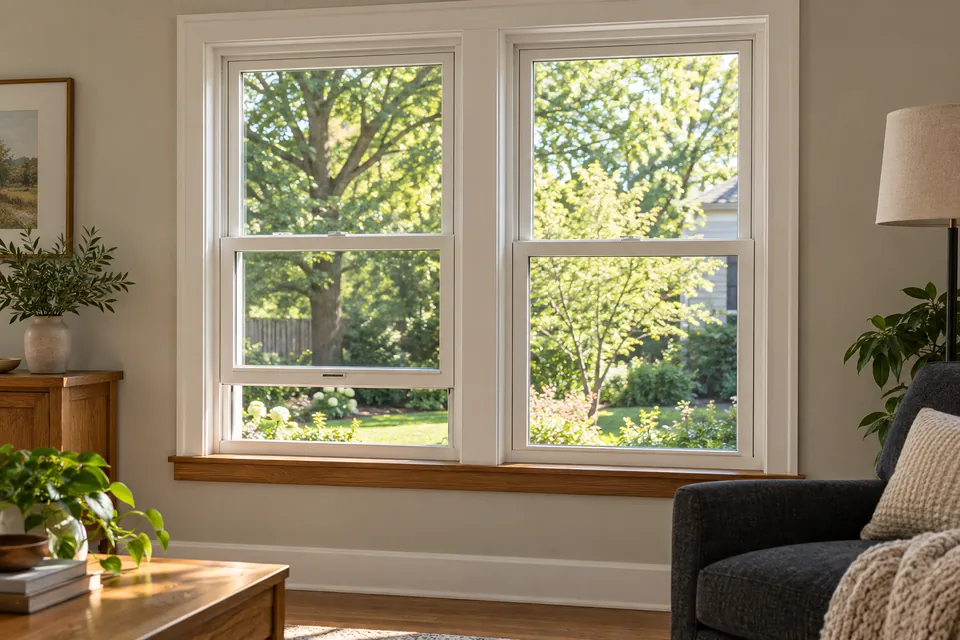
Service and design images are illustrative; they do not represent documented local projects.
Ask better questions. Get a clearer estimate.
Tell us what you are replacing and what matters most in your home.