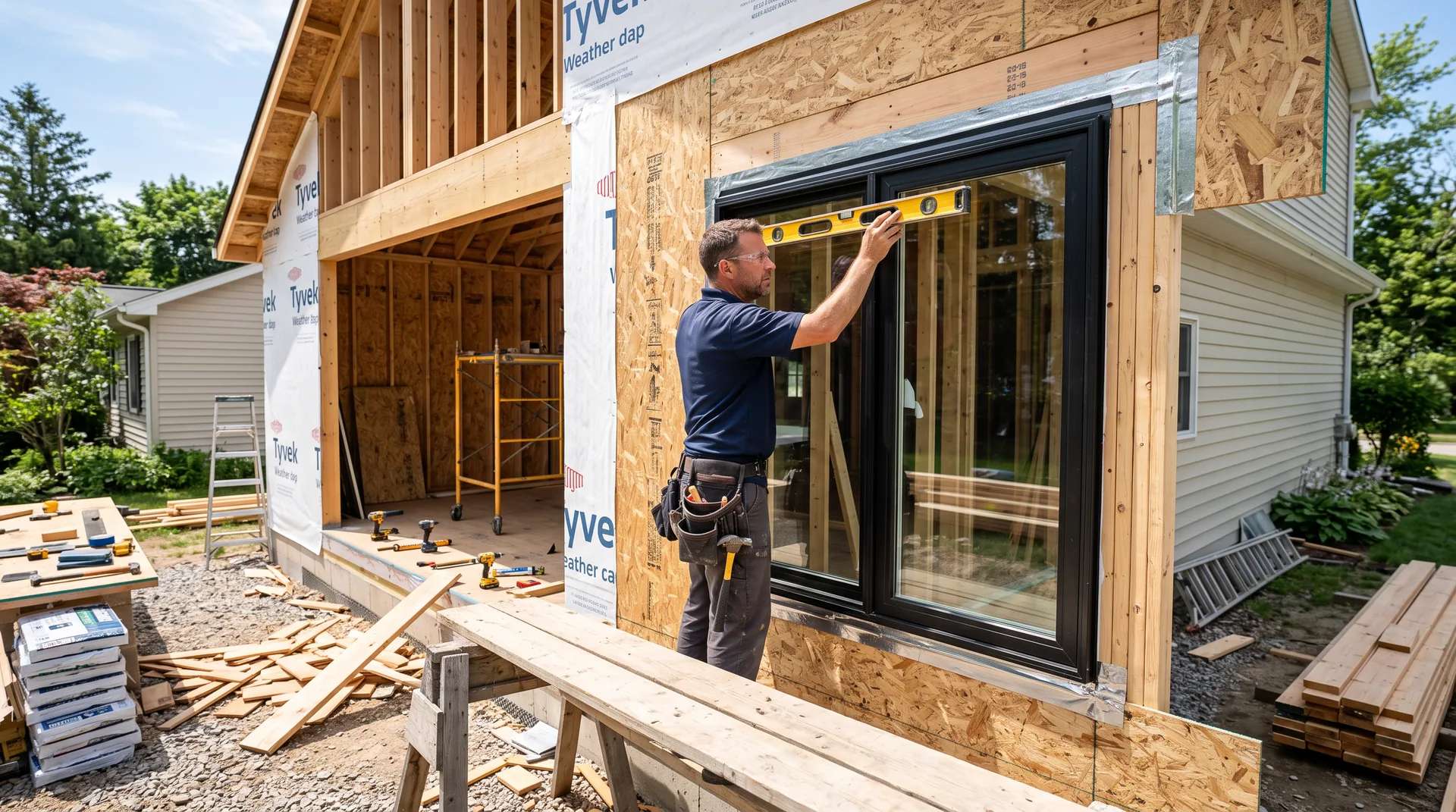
A window warranty is useful when you can identify the covered problem, the responsible business, and the repair cost you may still owe. Before accepting an Indianapolis replacement quote, obtain the actual product warranty and the installer's written workmanship terms. Compare the documents alongside the scope, rather than treating “lifetime warranty” as a complete answer.
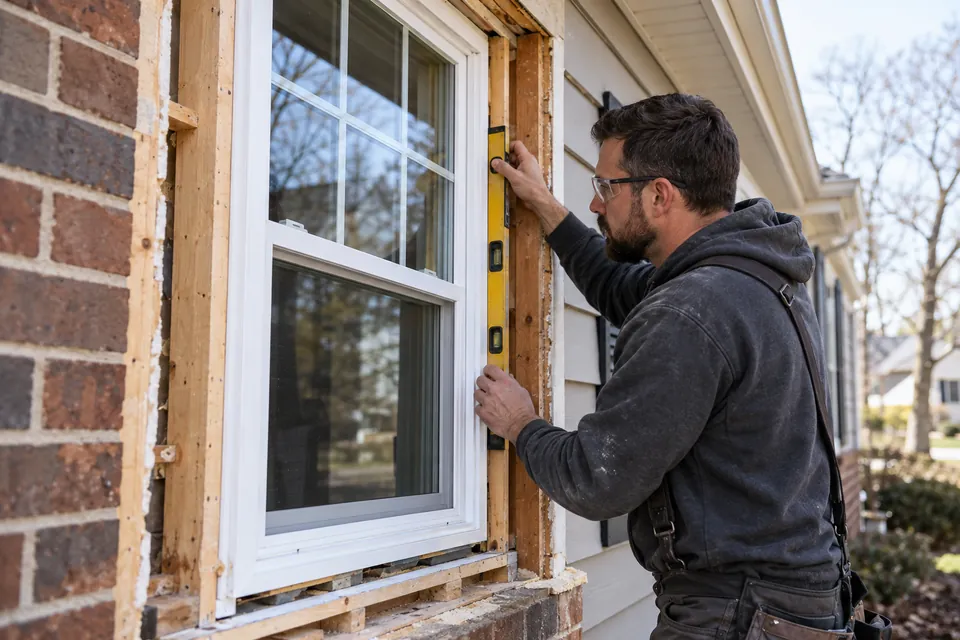
Why separate product and installation coverage?
A product defect and a problem with the installation are different questions. Ask the manufacturer what its document covers, then ask the installer what its agreement covers. Do not assume one business accepts responsibility for the other.
For a concrete reference, Andersen publishes separate documents for different product families and points owners to the relevant document's claim procedure. Find the exact warranty for the quoted product. This is an example of how to research coverage, not an endorsement or a statement that your matched installer offers that brand.
Use a coverage worksheet
| Possible problem | Record before purchase |
|---|---|
| Fogging between glass panes | Applicable glass or seal terms; replacement part; removal and reinstallation charges |
| Hardware that stops working | Covered component; exclusions; service-call and labor costs |
| Water or air around the opening | Who diagnoses the cause; applicable installation terms; claim process |
| Damaged finish or broken glass | Whether the document covers the particular cause, rather than assuming all damage is included |
For every row, record the company name, document section, time limit, and any unanswered question. Leave a blank when the answer is unknown. A salesperson's verbal assurance should become a written clarification before you rely on it.
Who pays to install a replacement part?
Ask this as a separate question even when the replacement part is covered. “Glass is covered” does not establish who schedules a visit, removes the failed unit, or installs the replacement. Request the language that explains labor, shipping, access equipment, and service-call charges for your product and installation agreement.
Imagine a bedroom unit develops a problem after installation. One business may ask for the product identification label; another may need photos of the opening. Your worksheet should tell you whom to contact first and how the diagnosis proceeds. That is more useful than discovering during a claim that nobody wrote down the labor terms.
Do not use this example to predict a manufacturer's decision. Coverage depends on the actual document and circumstances. Keep the warranty, invoice, product identifiers, and any correspondence together.
What does “lifetime” mean in this document?
Find the definition rather than substituting your own. Write down whose ownership or which period the term refers to, what happens if you sell the house, and whether separate components have different periods. If the document contains a coverage schedule, copy the relevant entries into the worksheet.
Does the coverage change for a subsequent owner? Is a transfer form needed? Is there a fee or deadline? Does the document treat the glass, frame, finish, and hardware differently? These are questions to resolve, not claims that every warranty has those conditions.
Read exclusions against your installation plan
Give the installer the product's instructions and ask whether the quoted approach follows them. Then read the warranty exclusions against planned changes such as painting, adding accessories, or modifying hardware. Ask the relevant company for written guidance if you are unsure.
Keep the question narrow: “Does this particular change affect this warranty?” You should not have to interpret a broad sales statement about maintenance or alterations. Avoid making a product change while waiting for the answer.
How should warranty differences affect a quote comparison?
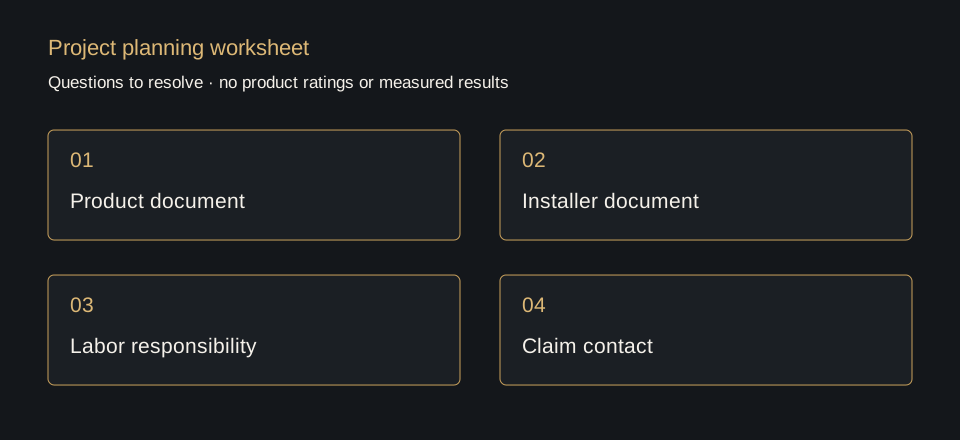
Add separate columns for product document, workmanship document, claim contact, and possible out-of-pocket charges. Compare those columns with the installation scope and price checklist. A longer stated period by itself does not resolve exclusions, claim handling, or repair labor.
If a bid uses vague terms, send this request: “Please attach the warranty for the exact series and glass package, your installation coverage, and the section explaining service labor. Please identify the first contact for a future claim.” Save the answer with the estimate.
Use your estimate appointment to settle the gaps
Bring the worksheet to the appointment. Start with the openings that concern you most and ask how the proposed product and installation terms apply. For the wider project, read our window replacement guide or door installation guide. You can request a local estimate through Indy Windows & Doors; the independent professional supplies the quote and any installation warranty.
Save the planning worksheet
Record: product/series/glass package; warranty version; covered components and terms; lifetime definition; workmanship document; service labor; shipping; access charges; exclusions; transfer terms; claim contact; required proof; invoice and product ID. Ask for written answers.
Sources and editorial note
Prepared by Indy Windows & Doors using the references above. This is an editorial planning guide, not a report of an installation we performed. Product documents, contractor advice, and property-specific requirements determine the final decision.